
What Neosurf at the sportsbook actually costs in New Zealand
 Available in US
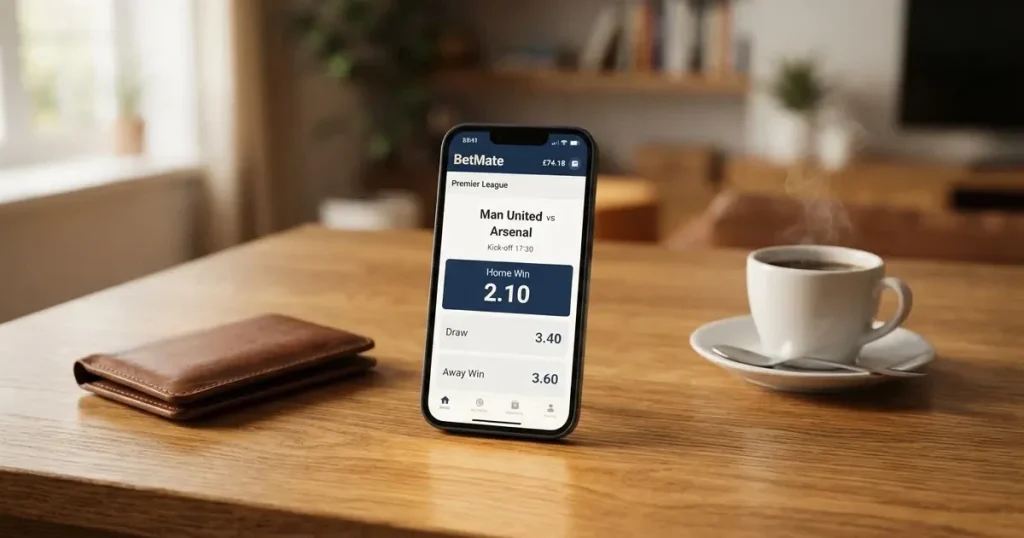
Neosurf is a prepaid voucher that lets a bettor hand a bookmaker money without a credit card and without sharing personal details at the cashier. In New Zealand, though, the cashier that accepts it is narrower than in most markets: since 28 June 2025, only TAB NZ and its online sister brand Betcha may lawfully take sports and racing bets from a person in New Zealand. The dollar amount on the voucher is one cost. The price of not using the local monopoly, and the price of the turnover the local monopoly itself attaches to its own marketing, are two others. This page walks through each.
Current as of October 30, 2026; the Racing Industry Act 2020 framework and TAB NZ’s own terms were verified against the Department of Internal Affairs and the operator’s published conditions.
How Neosurf works at the betting cashier
A Neosurf voucher is a 10-character code bought at a retail outlet or generated online, denominated in fixed amounts, and redeemed at a participating website by typing the code and the amount the bettor wants to spend. The voucher itself is the receipt — there is no card, no bank account, no app-to-app wallet transfer. The user’s bank statement never shows the bookmaker; the bookmaker’s database only sees the voucher ID. That is the whole point of the product and the reason it shows up alongside crypto on the deposit pages of offshore brands.

Neosurf itself is operated by Safe-Voucher CH AG, a company registered at Industriestrasse 47, 6300 Zug, Switzerland, under company number CHE-291.042.536. Safe-Voucher CH AG is licensed as a financial intermediary connected to the Swiss self-regulatory organisation VQF and operates under anti-money-laundering oversight from the Swiss Financial Market Supervisory Authority, FINMA. The voucher is sold globally and the company states it can be redeemed at more than 20,000 websites across online gaming, gambling, financial services and e-shopping categories.
For a bettor, three things follow from how a prepaid voucher works, and they are worth naming separately:
- The deposit limit is the voucher. A bettor cannot overdraw and cannot spend what is not already paid for. There is no credit and no revolving balance.
- The voucher is single-use up to its face value. Most operators let the bettor redeem several vouchers in one cashier session, but the smallest unit of action is one voucher.
- There is no refund on the operator side. A voucher handed over and not won back is gone; Neosurf itself is not the party that pays withdrawals.
That last point is the one that costs the bettor in the long run. A voucher deposits quickly and cheaply. A payout goes back through whatever channel the bookmaker itself runs — and a New Zealand bettor at an offshore brand has no channel that maps to a New Zealand bank account the way a TAB NZ withdrawal does.
The New Zealand landscape in one paragraph
The landscape for sports betting in New Zealand is a single-brand landscape. TAB NZ runs two consumer-facing sites — TAB itself and Betcha — and nothing else. Both sit under the Racing Industry Act 2020 and the amendment that took effect on 28 June 2025, which states that no person other than TAB NZ may offer racing betting, sports betting or other racing or sports betting to a person in New Zealand, regardless of where that person is resident or incorporated. The Department of Internal Affairs told providers serving New Zealand to withdraw with immediate effect on the same day the amendment came in. There is no licence register for bookmakers, because there is only one lawful provider to register.

Offshore bookmakers are real businesses — some are well-funded and have been operating for years — but under New Zealand law they are not licensed to take bets from people in New Zealand. The Department of Internal Affairs’ own warning is that overseas operators may be in jurisdictions with minimal consumer safeguards, may not return unspent credits, and may not pay out large wins. The offshore brand does not advertise itself as a New Zealand bookmaker; the bettor using it is the one who has to decide whether the price of the voucher is worth the absence of New Zealand harm-minimisation tools and complaints routes. The rest of this page goes through both sides of that choice.
What the law actually says
Section 74AAA of the Racing Industry Act 2020 is short. It says that offering racing betting or sports betting to a person in New Zealand is reserved to TAB NZ, regardless of where the offerer is resident or incorporated. The amendment inserting this section came into force on 28 June 2025. The Department of Internal Affairs, which monitors compliance with the betting prohibition under section 92A of the Act, told providers serving New Zealand to withdraw with immediate effect.
A few things the law does not say, because they are commonly misread:
- The penalty for breaching section 74AAA is not stated in the section itself, and no prosecution of an offshore bookmaker has been published. The law puts liability on the offshore operator; the operator is the party at risk.
- Section 19(4) of the Gambling Act 2003, inserted in 2025, says an individual may not be convicted for placing a bet with an offshore betting operator in breach of section 74AAA. No published penalty for a player has been found. The honest framing is that New Zealand law targets the operator, that DIA warns players of the risks, and that the player’s exposure is practical rather than criminal.
- There is no licensing route for another bookmaker. TAB NZ is not a licensed bookmaker among many — it is the only lawful one. The Online Casino Gambling Act 2026 licences online casino gambling only; TAB NZ winning the right to apply for a casino licence does not extend the betting monopoly.
The greyhound question is worth a sentence: greyhound racing is closing in stages from 1 August 2026, and from that date offshore operators may not take bets on greyhound races either. The ban covers events held inside and outside New Zealand; it is the operator that is restricted, not the sport the bettor wants to back.
What may be bet on at the only lawful provider
TAB NZ takes fixed-odds and tote (pool) bets. Its published betting rules set out the menu: Win, Place, Each Way, Quinella, Exacta, Trifecta, First Four, Double, Treble, Daily Double, Running Double, Quaddie and Big6, plus Multis and Same Game Multis — a multi whose legs come from one event. Live betting is listed in the TAB NZ apps, and the same TAB NZ app carries Trackside live race streaming with in-app betting. Any statutory restriction on in-play markets is not established, and the published rules are what govern them. There is no lawful New Zealand betting exchange and spread betting sits outside TAB NZ’s sports-betting definition; a New Zealand bettor looking for an exchange is looking outside the law.
Bets on politics and novelty markets are not established as either permitted or prohibited by the published framework; what is established is that they are not part of TAB NZ’s standard menu. Virtual (computer-simulated) sport is treated by the 2026 online casino law as casino gambling, and whether esports betting counts as “sports betting” under the Racing Industry Act is not established. The bettor’s safest read is that TAB NZ’s published menu is the menu, and anything else is at the bettor’s own diligence.
There is no statutory per-bet cap. Limits are TAB NZ’s own terms, and TAB NZ’s app carries the racing form, Blackbook and Jockey Challenge tools that drive most of its menu.
The bettor at TAB NZ: what the lawful option looks like
A bettor at TAB NZ is inside the only framework with a regulator, a complaints route and a Problem Gambling Levy attached to it. TAB NZ must keep the risks of problem and underage gambling minimised and pays a Problem Gambling Levy of 0.74% in the current three-year window, in force from 1 July 2025 to 30 June 2028. The minimum age for betting with TAB NZ is 18; betting under 18 is an offence under section 89 of the Racing Industry Act 2020. The minimum age for a land-based casino is 20 — the two are different and must not be merged.
Account opening at TAB NZ requires a verified New Zealand address and ID. The TAB NZ app lists deposit limits, time-outs and self-exclusion as standard safer-gambling tools, and an exclusion applies across both of TAB NZ’s brands. The free New Zealand gambling helpline is 0800 654 655 and the text line is 8006; Safer Gambling Aotearoa runs alongside it. There is no single national online-betting exclusion register, and the register the casino law will require is for online casinos only — TAB NZ accounts are governed by TAB NZ’s own self-exclusion.
Inland Revenue guidance is that recreational gambling winnings are generally not taxable and prize money from TAB horse, dog and trotting races is not taxable. A person who bets as a business is a different case; that is general information, not tax advice, and the bettor who suspects they are on the wrong side of that line talks to Inland Revenue or an accountant. TAB NZ’s deposit methods and limits come only from its own terms, and the bettor checks those before claiming any bonus bet promotion.
The honest framing of this side of the choice is that TAB NZ is the only lawful option in New Zealand, and that it carries New Zealand harm-minimisation tools, regulator oversight and a complaints framework. The offshore brand is not, by default, “the safe choice”; neither is TAB NZ “the safe choice” by default. The bettor’s own behaviour sets that.
What an offshore Neosurf bookmaker costs
The voucher itself is cheap. Rooster.bet, one of the brands that lists Neosurf and similar prepaid methods in its cashier, takes card deposits by Visa and Mastercard with a €20 minimum, instant processing and no fees on the operator side, and card withdrawals take one to three banking days. That is what the same operator does with a card; the voucher deposit is the fast, anonymous end of the transaction and the withdrawal is the slow, identified end. The bettor saves time at the cashier and pays it back on the way out.
A bettor who only wants to deposit with Neosurf and intends to withdraw through the bookmaker’s other channels will hit three costs that are not in the marketing:
- Currency conversion. The voucher is sold in fixed denominations; the bookmaker wallet is in the bookmaker’s settlement currency. The conversion rate is the bookmaker’s, and the bookmaker rounds down on small conversions.
- The Neosurf deposit itself does not pay a withdrawal. The bettor who wins needs a withdrawal method the bookmaker supports in their own currency, and for a New Zealand bettor that is usually a bank transfer in EUR or USD with the bookmaker’s own minimums. Some offshore brands do not run a New Zealand-dollar wallet at all.
- The absence of a New Zealand complaints route. As the Department of Internal Affairs warns, overseas operators may be in jurisdictions with minimal consumer safeguards, may not return unspent credits, or may not pay out large wins. A bettor at an offshore brand with a disputed payout has no recourse to the Department of Internal Affairs and no share in the Problem Gambling Levy’s harm-minimisation spend.
That is the cost a New Zealand bettor pays for the convenience of a Neosurf deposit at an offshore brand. The cost is not the voucher; it is everything around the voucher.
Payments at TAB NZ and Betcha
TAB NZ’s deposit methods come only from its own terms, and the bettor reads the cashier before paying in. The TAB NZ app includes a simplified wallet for deposits and withdrawals, and the same wallet covers both TAB and Betcha. The advertising standards that apply to TAB NZ’s marketing are the Advertising Standards Authority’s Gambling Advertising Code: ads must not target children (under 14) or young people (14 to under 18), judged by context, appeal and expected audience — 25% or more of the audience counts as significant where accurate data exists — must not encourage harm, and must be truthful with terms available.
TAB NZ runs “bonus bets” promotions. No New Zealand rule on bet-bonus size or wagering terms was found, so the bettor reads the bonus bet’s own terms. Any minimum price for a qualifying bet, any deadline, any cap on free-bet winnings and any market restriction is in the small print the bonus bet promotion itself carries. A “bonus bet” at TAB NZ is a credit, not a withdrawal from the bettor’s own cash balance, and a winning bonus bet pays the winnings only — the stake is not returned with the win.
The point-of-consumption charge on offshore racing and sports bets ceased on 30 June 2026. Online gambling duty on overseas operators supplying New Zealand residents is 12% of profits since 1 July 2024 and rises to 16% from 1 January 2027. A duty being payable does not make an offer lawful, and the bettor does not read a tax line as a sign-off from the regulator.
Responsible gambling at the local monopoly
TAB NZ’s safer-gambling tools are deposit limits, time-outs and self-exclusion, listed in the TAB NZ app and applying across both TAB and Betcha. The free Gambling Helpline (0800 654 655) and the text line 8006 are the contact points a bettor hits before the limit kicks in, and Safer Gambling Aotearoa runs alongside them. The Problem Gambling Levy of 0.74% funds the framework.
A offshore brand carries no comparable layer by default. The regulator’s framing of this gap is the risk of minimal consumer safeguards. The bettor who sets a deposit limit at TAB NZ has set it at the operator that pays for the helpline; the bettor who sets the same limit at an offshore brand has set it where it works only as far as the operator’s own terms allow.
The three reviewed bookmakers
The ranking covers three brands. TAB and Betcha are the two online brands of TAB NZ, run by Entain under a 25-year agreement signed in 2023 that gives Entain a 50/50 share of gross profits, with at least $150 million a year going to TAB NZ for the first five years and Entain pledging a one-off $100 million payment to the racing sector. TAB and Betcha are the same operator, not rivals. Rooster.bet is named for reference because New Zealand players meet it; it is not licensed in New Zealand and the Tobique Gaming Commission e-gaming licence it names gives no right to take bets from people in New Zealand.
TAB
TAB is the retail and online face of TAB NZ. The site is the only lawful online sports and racing book in the country under the Racing Industry Act 2020, in force since 28 June 2025. The app carries racing form, Blackbook and Jockey Challenge tools, Trackside live race streaming with in-app betting, and a simplified wallet for deposits and withdrawals. TAB NZ lists deposit limits, time-outs and self-exclusion in the app, and the helpline 0800 654 655 and text line 8006 are listed beside them. The Entain partnership is the operating layer behind the brand; the bettor’s legal counterparty is TAB New Zealand.
A bettor at TAB pays nothing for the privilege of using a New Zealand-harm-minimisation framework, and the price of any “bonus bet” promotion is the bonus bet’s own small print — minimum price for a qualifying bet, deadline, cap on free-bet winnings, market restriction. TAB does not advertise a percentage bonus on top of a deposit in the same way an offshore brand does; the credit is the credit, and the terms are the terms. The exchange between bookmaker and bettor at TAB is closer to the regulated-industry exchange than to the offshore-brand exchange, and that is the cost structure the bettor pays into.
Worth it, and for whom: TAB is worth it for the bettor who wants the New Zealand harm-minimisation framework, a complaints route through the Department of Internal Affairs, and a single menu of fixed-odds and tote bets on racing and sport without leaving the law. The bettor who wants a casino-grade bonus percentage, an offshore brand’s wider market list or a Neosurf deposit needs to look elsewhere — and pays the corresponding cost.
Betcha
Betcha is the second online brand of TAB NZ, the same operator group as TAB. The legal position is identical: Betcha is one of two brands that may lawfully take online sports and racing bets from people in New Zealand since 28 June 2025, under the Racing Industry Act 2020. The same Entain partnership runs the platform, and the same Problem Gambling Levy and the same 0.74% contribution fund the safer-gambling framework.
The brand difference between TAB and Betcha is the product layer on top of the same wallet. TAB is the racing-first brand, with Trackside, Blackbook and Jockey Challenge sitting behind the bet slip; Betcha is positioned to compete for the casual sports punter who wants the same fixed-odds and tote menu without the racing-first look. The cashier is the same wallet, the deposit limits are the same limits, the self-exclusion crosses both brands, and the helpline is the same number. A bettor at Betcha is not at a different bookmaker — they are at the same TAB NZ, on a different front door.
Worth it, and for whom: Betcha is worth it for the same bettor TAB is worth it for, with a preference for a sports-first product layer. The bettor who wants to take a bonus bet promotion on the Melbourne Cup and a Same Game Multi on the All Blacks has the same wallet on either side and chooses the brand by feel. The bettor who wants a casino welcome package and a Neosurf deposit has come to the wrong pair of brands.
Rooster.bet
Rooster.bet is an offshore brand that lists card and voucher deposits in its cashier. Card deposits by Visa and Mastercard come with a €20 minimum, instant processing and no operator-side fees; card withdrawals take one to three banking days. The brand names a Tobique Gaming Commission e-gaming licence (No. 0000002), holder Novatrix SRL, which gives no right to take bets from people in New Zealand under section 74AAA of the Racing Industry Act 2020. There is no New Zealand complaints route and no share in the Problem Gambling Levy’s harm-minimisation spend.
Rooster.bet’s offer layer, where the bettor meets it, is the standard offshore-brand mix of welcome bonuses, reload bonuses, free-bet tokens and a sportsbook promotion calendar. The price the bettor pays is the operator’s terms — minimum qualifying price, wagering factor, market restriction, cap on free-bet winnings — plus the absence of the New Zealand layer. A Neosurf deposit at Rooster.bet is fast and anonymous; a withdrawal at Rooster.bet is the slow end of the transaction and runs on the bookmaker’s own settlement-currency rails. This is the regulator’s framing of the trade at the disputed-payout end.
Worth it, and for whom: Rooster.bet is worth it for the bettor who has decided, with eyes open, that the wider market list and the casino-grade welcome package are worth the absence of a New Zealand complaints route and the Department of Internal Affairs’ stated risks. For most New Zealand-resident bettors the price is higher than the bettor who walks in thinks, because the slow end of the transaction is where the actual cost sits.
Comparing the three brands side by side
The table below sits beside the operator write-ups above and is the comparison block the audit reads back. Cells carry the fact each operator’s own terms or the relevant framework give. Where the inputs carry no figure, the cell carries the article-language no-data marker; the column itself stays because the matter is the matter a New Zealand bettor compares on.
| Brand | New Zealand status | Position on Neosurf and the key payment facts |
|---|---|---|
| TAB | TAB NZ brand — the only lawful provider under section 74AAA of the Racing Industry Act 2020 | TAB NZ’s deposit methods come only from its own terms; the TAB NZ app’s simplified wallet covers deposits and withdrawals; no public Neosurf listing was found |
| Betcha | TAB NZ brand — the only lawful provider under section 74AAA of the Racing Industry Act 2020 | Same TAB NZ wallet as TAB, on the same cashier rails; deposit methods and limits are TAB NZ’s own terms |
| Rooster.bet | Not licensed in New Zealand — Tobique Gaming Commission e-gaming licence (No. 0000002), holder Novatrix SRL; section 74AAA of the Racing Industry Act 2020 forbids taking bets from people in New Zealand | Card deposits by Visa and Mastercard, €20 minimum, instant, no fees on the operator side; card withdrawals take 1-3 banking days; Neosurf appears in the cashier of similar offshore brands but is not confirmed for Rooster.bet itself |
The row the bettor reads first is the New Zealand-status column. The column itself is the comparison a New Zealand bettor cannot get from a generic “best Neosurf betting site” page, because that page does not know the section 74AAA rule. TAB and Betcha sit on one side of the column; Rooster.bet sits on the other. The key-payment column carries the fact each operator’s own terms give. For TAB and Betcha, the absence of a public Neosurf listing is itself a fact: TAB NZ’s published cashier does not run a Neosurf voucher line as part of its public deposit methods, and the bettor who wants a Neosurf deposit at the lawful provider reads the TAB NZ cashier at the time of deposit to confirm. For Rooster.bet, the card minimums and the withdrawal time are what the brand’s own terms state; a Neosurf deposit is a common feature at brands in the same segment but is not confirmed for Rooster.bet itself in this set, and the bettor who wants Neosurf at Rooster.bet checks the cashier before paying in.
The third column is what the comparison turns on. The two TAB NZ brands share a wallet and a regulatory position; the offshore brand shares a product segment with other Neosurf-friendly brands and a regular product price. The price difference is not in the voucher; it is in everything around the voucher — the cashier speed, the withdrawal rails, the complaints route, and whether the Department of Internal Affairs’ warning applies.
What a Neosurf deposit actually looks like at the cashier
For a bettor who has decided to deposit with Neosurf at an offshore brand that lists it, the deposit itself is the small part of the transaction. The 10-character code is typed into the cashier, the amount the bettor wants to spend is selected from the voucher’s balance, and the wallet is credited. The voucher is spent; the wallet holds the credit. The whole sequence is faster than a card deposit and faster than a bank transfer, and there is no card data on the bookmaker’s side.
The slow end is the withdrawal. If the bettor wins and wants the money back, the bookmaker pays through its own withdrawal rails. For a New Zealand bettor at an offshore brand, that is usually a bank transfer in EUR or USD, with the bookmaker’s own minimums and the bettor’s own bank’s incoming-wire fees. The voucher is not refundable through Neosurf itself, and the bettor does not treat Neosurf as a withdrawal method. A bookmaker’s “instant withdrawal” marketing line is about crypto at the same brand, not about a Neosurf voucher.
That is the practical cost of a Neosurf deposit at an offshore brand: a fast, anonymous money-in and a slow, identified money-out. This is the regulator’s framing of the same trade at the disputed-payout end.
Choosing between the lawful option and the offshore option
The choice is not between two products with the same menu. TAB NZ and Betcha cover a New Zealand-focused menu of racing codes (thoroughbred, harness and greyhounds until the staged closure from 1 August 2026) and a New Zealand sporting calendar — All Blacks, Super Rugby Pacific, NRL, Black Caps, Warriors, Melbourne Cup, Cup Day — through a wallet that runs in NZD and pays out to a New Zealand bank account. The offshore brand runs a wider international menu, a EUR or USD wallet by default, and the bookmaker’s own payment rails.
For most New Zealand-resident bettors the practical question is what the menu covers. A bettor who wants the Melbourne Cup and the All Blacks has the same menu at TAB and Betcha and a wider menu offshore; a bettor who wants a Same Game Multi on a domestic rugby league match has TAB NZ’s published menu and a wider menu offshore. The Neosurf voucher is on the wider-menu side. The bettor who wants both — a New Zealand menu and a Neosurf deposit — does not have both in the same product today, and reads the TAB NZ cashier before deciding.
For the bettor who goes offshore, the diligence list is short and concrete:
- The operator’s licence. The Tobique licence Rooster.bet names is not a New Zealand licence, and the bettor does not read it as one.
- The deposit and withdrawal methods at the cashier the bettor will actually use, in the currency the bettor will actually hold. A NZD wallet matters more than a marketing line.
- The bonus bet’s small print — minimum price for a qualifying bet, deadline, cap on free-bet winnings, market restriction. A “free bet” whose stake is not returned with the win is not a refund in cash.
- The complaints route. The Department of Internal Affairs does not police an offshore brand’s customer-service desk.
That is the diligence a New Zealand bettor pays to use an offshore Neosurf bookmaker. The bettor who does not pay it pays it on the way out, in time and in money.
The cost a Neosurf bookmaker runs into at the cashier
The voucher is sold at fixed denominations, and the smallest denomination a bettor can fund a wallet with is the smallest denomination on sale at the retail outlet. The bookmaker’s deposit minimum is set against the bookmaker’s own settlement currency and may be higher than the voucher’s smallest face value, in which case the bettor tops up with a second voucher. The bookmaker does not charge a deposit fee on the voucher side; the cost is the bookmaker’s exchange rate on the conversion from the voucher’s sale currency to the wallet’s settlement currency, and the bettor reads the cashier before paying in.
The bookmaker’s withdrawal minimum is set on the bookmaker’s own settlement-currency rails and is usually higher than the deposit minimum. A bettor who wins a small amount and tries to withdraw it under the bookmaker’s minimum holds the balance until further wins roll it over the threshold, or loses it back. That is a structural feature of bookmaker wallets, and a Neosurf deposit does not change it.
A “risk-free” first bet refunded as a free bet is not a refund in money. A “100% bonus” on a deposit is a credit with a wagering factor attached, and the wagering factor is the cost the bettor pays to clear it. A “boosted odds” headline is a price the bookmaker has widened for one market only, and the margin on every other market on the slip is the bookmaker’s standard margin. The Neosurf deposit is the entry point; the price is everything that follows.
Frequently asked questions
Can I use Neosurf on betting sites?
Neosurf is a prepaid voucher and can be redeemed at online gaming, gambling, financial services and e-shopping websites — the operator states more than 20,000 participating sites. Whether a particular New Zealand bettor can use it at the cashier they choose depends on which bookmaker they choose. TAB NZ and Betcha’s public cashier is built around the TAB NZ wallet; an offshore bookmaker that lists Neosurf takes it as a deposit method. A Neosurf voucher is a deposit, not a withdrawal: winnings come back through the bookmaker’s own rails.
Do any sports betting sites accept Neosurf?
Yes. Several offshore sportsbooks list Neosurf in their cashier as a deposit method, alongside card and bank-transfer options. In New Zealand, the only lawful online sports and racing bookmaker is TAB NZ, which runs two consumer brands (TAB and Betcha); TAB NZ’s published deposit methods come from its own terms, and the bettor checks the TAB NZ cashier for any Neosurf or prepaid-voucher line at the time of deposit. Offshore brands accepting Neosurf are not licensed to take bets from people in New Zealand under the Racing Industry Act 2020, in force since 28 June 2025.
What betting apps use Neosurf?
Neosurf itself is not an app the bettor holds a balance in — it is a voucher paid in at the cashier. Several offshore sportsbooks that publish iOS and Android apps list the voucher in their in-app cashier as one of several deposit methods. The TAB NZ app is the New Zealand-resident bettor’s lawful option and covers the TAB NZ wallet for both TAB and Betcha. Any app that accepts Neosurf and accepts bets from a person in New Zealand is operating outside section 74AAA of the Racing Industry Act 2020, and the bettor weighs that against the product layer the app offers.
Which payment methods does TAB NZ accept, and where are they listed?
TAB NZ’s deposit methods come only from its own terms and are listed in the TAB NZ app’s simplified wallet. The TAB NZ wallet is the deposit and withdrawal layer for both TAB and Betcha. The bettor reads the cashier in the TAB NZ app at the time of deposit for the current method list and the current minimums; any minimum price for a qualifying bet, deadline, cap on free-bet winnings or market restriction on a bonus bet promotion is in the small print the promotion itself carries. There is no statutory payment rule for New Zealand betting accounts; the methods and limits are TAB NZ’s own.
Which bookmaker may lawfully take sports and racing bets in New Zealand?
TAB NZ, through its two online brands TAB and Betcha, since the amendment to the Racing Industry Act 2020 took effect on 28 June 2025. Section 74AAA of the Act reserves racing and sports betting offered to a person in New Zealand to TAB NZ, regardless of where the offerer is resident or incorporated; the Department of Internal Affairs told providers serving New Zealand to withdraw with immediate effect on the same day. There is no licensing route for another bookmaker and no licence register, because there is only one lawful provider. TAB NZ runs its business under a 25-year partnership with Entain signed in 2023, with a 50/50 share of gross profits and at least $150 million a year going to TAB NZ for the first five years.
What does a player lose by betting with a bookmaker that has no New Zealand licence?
A bettor at an offshore bookmaker gives up the New Zealand harm-minimisation framework the local monopoly carries. The local monopoly pays a Problem Gambling Levy of 0.74% into the framework, lists deposit limits, time-outs and self-exclusion in its app, and runs an exclusion across both brands. The free Gambling Helpline (0800 654 655) and the text line 8006 are the contact points a bettor hits before the limit kicks in, and Safer Gambling Aotearoa runs alongside them. An offshore brand carries no comparable layer by default; the Department of Internal Affairs’ own warning is that overseas operators may be in jurisdictions with minimal consumer safeguards, may not return unspent credits, and may not pay out large wins. The bettor also loses the New Zealand-dollar wallet, the New Zealand bank-account payout and the regulator’s complaints route. Section 74AAA puts liability on the offshore operator, not on the bettor; the bettor’s exposure is practical, not criminal.
Payments – bettinginfo-nz
Content created by the «bettinginfo-nz» team
